

Shaving and Dermatitis: What to Do and What to Avoid

The guide to shaving with dermatitis: how to use a razor gently, step by step!
If you live with dermatitis, you know the feeling: sometimes shaving can feel like an act of courage. Your skin is sensitive and quickly reacts with redness and burning, its (not-so-friendly) way of telling you it has had enough.
The good news? It doesn’t have to be a stressful experience.
The bad news? You need a bit of strategy (promise: nothing complicated!).
Let’s see how to remove hair when you have dermatitis without making irritation worse: what to avoid, how to prepare your skin before shaving and how to treat it afterward. And also when it’s better to bench your razor for a while.
Dermatitis and hair removal: why does the skin get irritated so easily?
Dermatitis in its various forms (atopic, contact, seborrheic, etc.) has one thing in common: the skin barrier is more fragile. In simple terms, the skin retains less moisture and reacts more easily to external triggers.
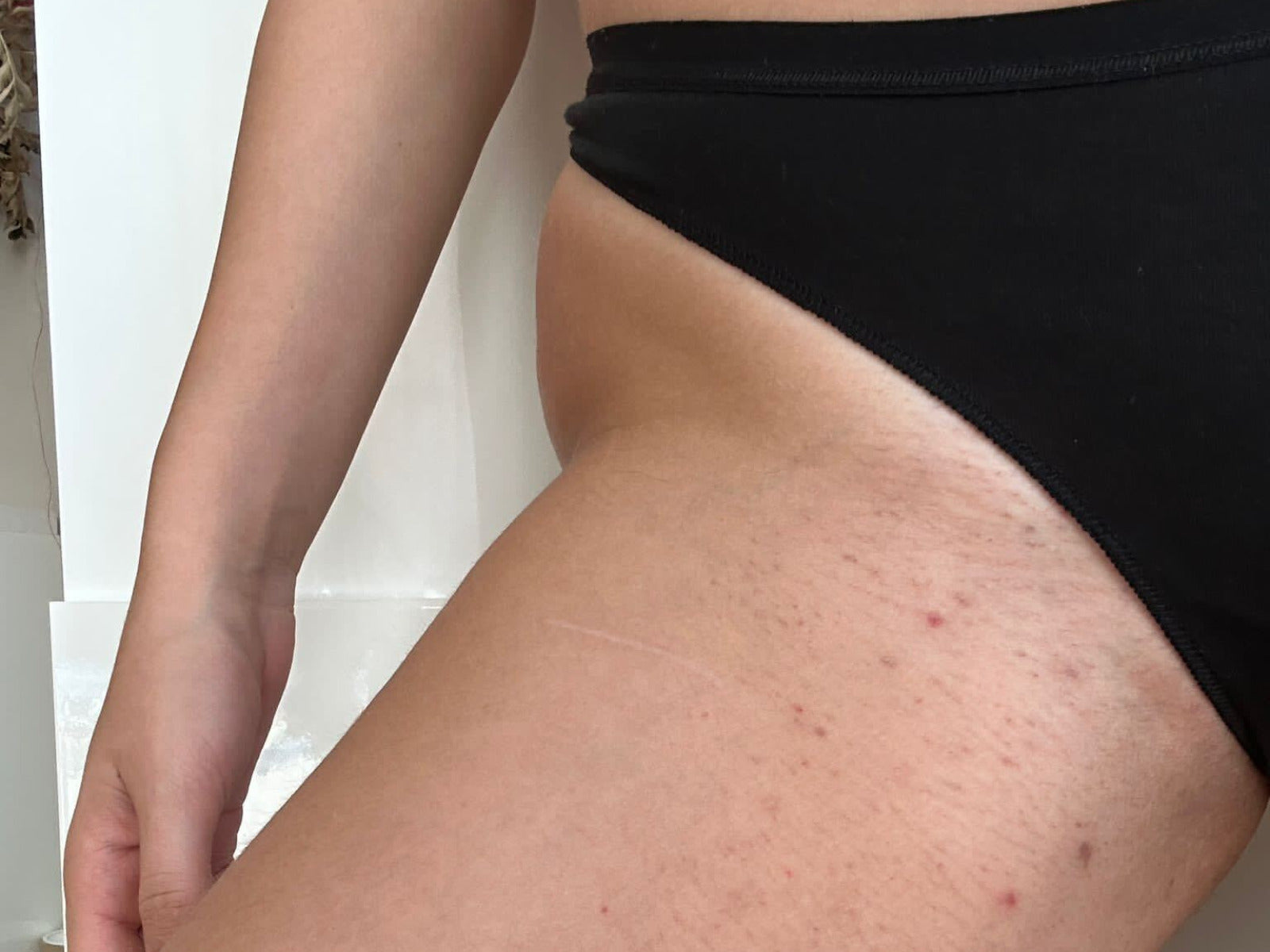
Hair removal can become one of those triggers if done the wrong way. When a razor glides over the skin it can create invisible micro-cuts, making the area more prone to inflammation and itching. If shaving is rushed and done dry (don’t do it!) or with an old and not perfectly clean blade, the risk of irritation increases.
The result? Skin with dermatitis may experience shaving as a small personal attack.
First rule: you can shave with dermatitis, but not always (and that’s okay)
If you’re in a phase of active dermatitis (very red, cracked skin that oozes, burns or itches intensely), the best move is to avoid shaving that area.
When is it better to avoid hair removal completely?
Avoid shaving (at least temporarily) if:
- there are open lesions, scabs or “split” skin;
- you have an infection or suspect one (pus, increasing pain, localized heat);
- the area is in a phase of intense inflammation;
- you are scratching frequently (the skin is already stressed enough).
If you have doubts, especially if dermatitis is recurring or severe, it’s always best to consult a dermatologist.
What’s the gentlest hair removal method with dermatitis: razor, wax or cream?
It depends on your skin, the area and the moment. But generally speaking, when dermatitis is involved, a razor tends to be the gentlest option: it doesn’t pull the hair out and doesn’t rely on aggressive chemical formulas that may irritate the skin.
🪒 Razor (when used correctly) = the best option
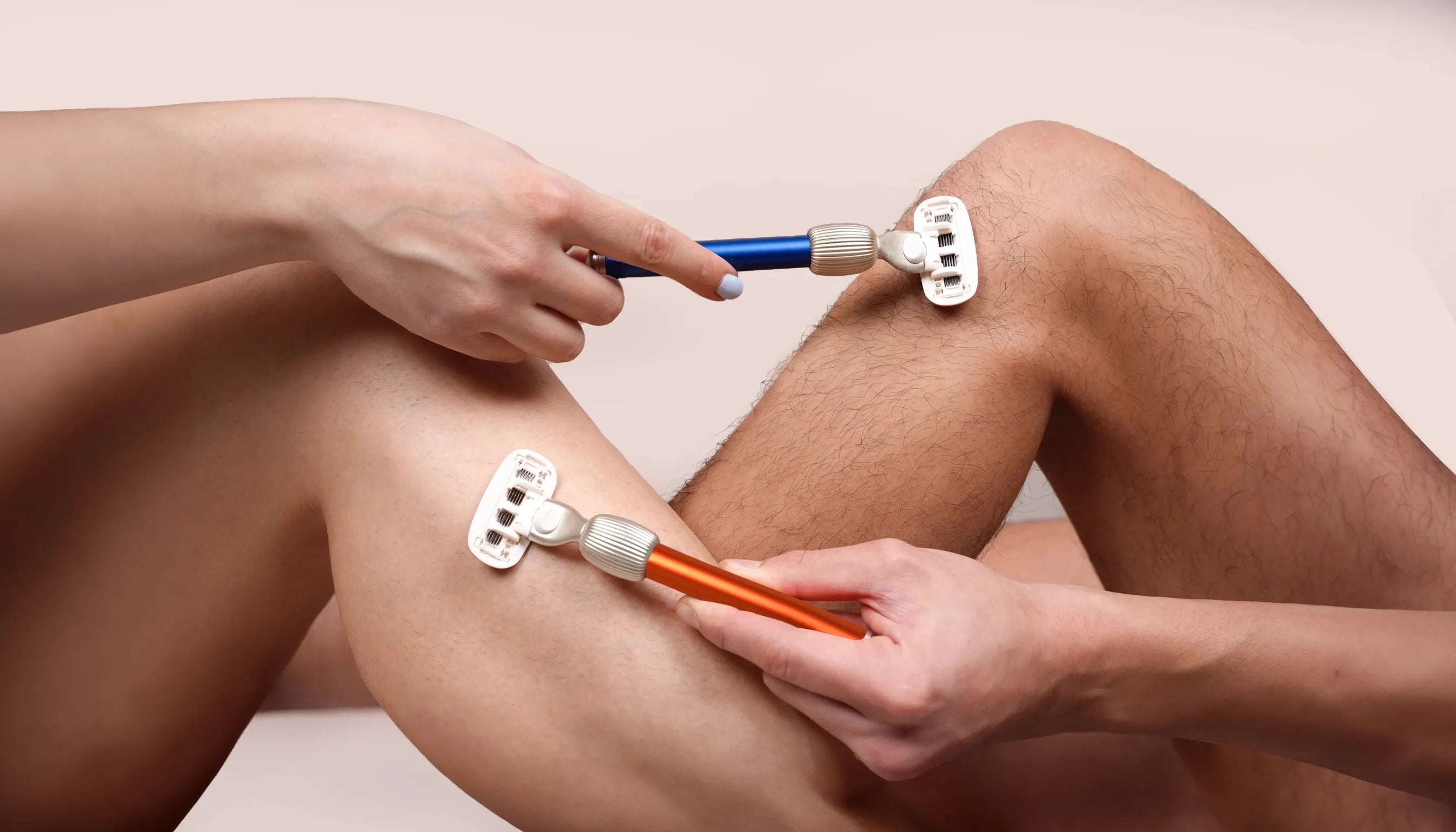
With dermatitis, shaving is often the most manageable choice because it gives you more control over pressure, direction and frequency. In other words, you can go slowly, stop if your skin disagrees and adapt everything to your skin’s sensitivity.
To keep it truly gentle, though, two basic rules apply:
- never shave dry
- use a clean, high-quality blade
👉 Preparing your skin properly and using a good razor can make a huge difference between a calm shave and skin that complains for hours.
🍯 Waxing
It can be too intense for the skin: there’s pulling, often there's also heat, and a high risk of irritation. If your skin is reactive, it’s usually not the best option.
🧴 Hair removal creams
These require caution: they may contain chemical actives that can irritate already sensitive skin. When skin is fragile or reactive, it’s generally better to avoid them.
How to shave with dermatitis: the step-by-step routine
Now let’s get practical: pre, during and post-shave routine.
1. Prepare the skin 🧼
Preparation is half the result. A lukewarm shower helps soften both skin and hair, making shaving easier and less aggressive.
If your skin tolerates it, you can gently exfoliate once or twice a week to remove dead skin cells and reduce ingrown hairs. Avoid harsh scrubs, stiff brushes or very rough gloves, especially when dermatitis is more intense.
2. Never shave dry: use a mousse ☁️
Shaving mousse isn’t optional: it’s your skin’s bodyguard!
- reduces friction;
- helps the blades glide smoothly;
- reduces the risk of irritation.
3. Anti-irritation shaving technique 🫧
The keyword here is gentleness.
Use minimal pressure: the razor should glide over the skin, not scrape it. It’s better to do fewer passes slowly than to go over the same area repeatedly.
Start with the direction of hair growth. Going against the grain only if your skin tolerates it, and it’s not always necessary.
Also remember to rinse the blade frequently: when it fills with hair and product, friction increases and shaving becomes less gentle.
4. After shaving: take care of your skin ✨
Right after shaving:
- rinse with cool water for immediate relief;
- pat dry (don’t rub!);
- apply a soothing and hydrating product.
Avoid:
❌ fragrances or alcohol-based products on freshly shaved skin
❌ very hot showers or baths
❌ intense physical activity (sweat and friction can irritate the skin)
❌ tight clothing on the shaved area
Where (and how) Fler fits in
We’ve seen that when you have dermatitis, the razor you use can make a difference.
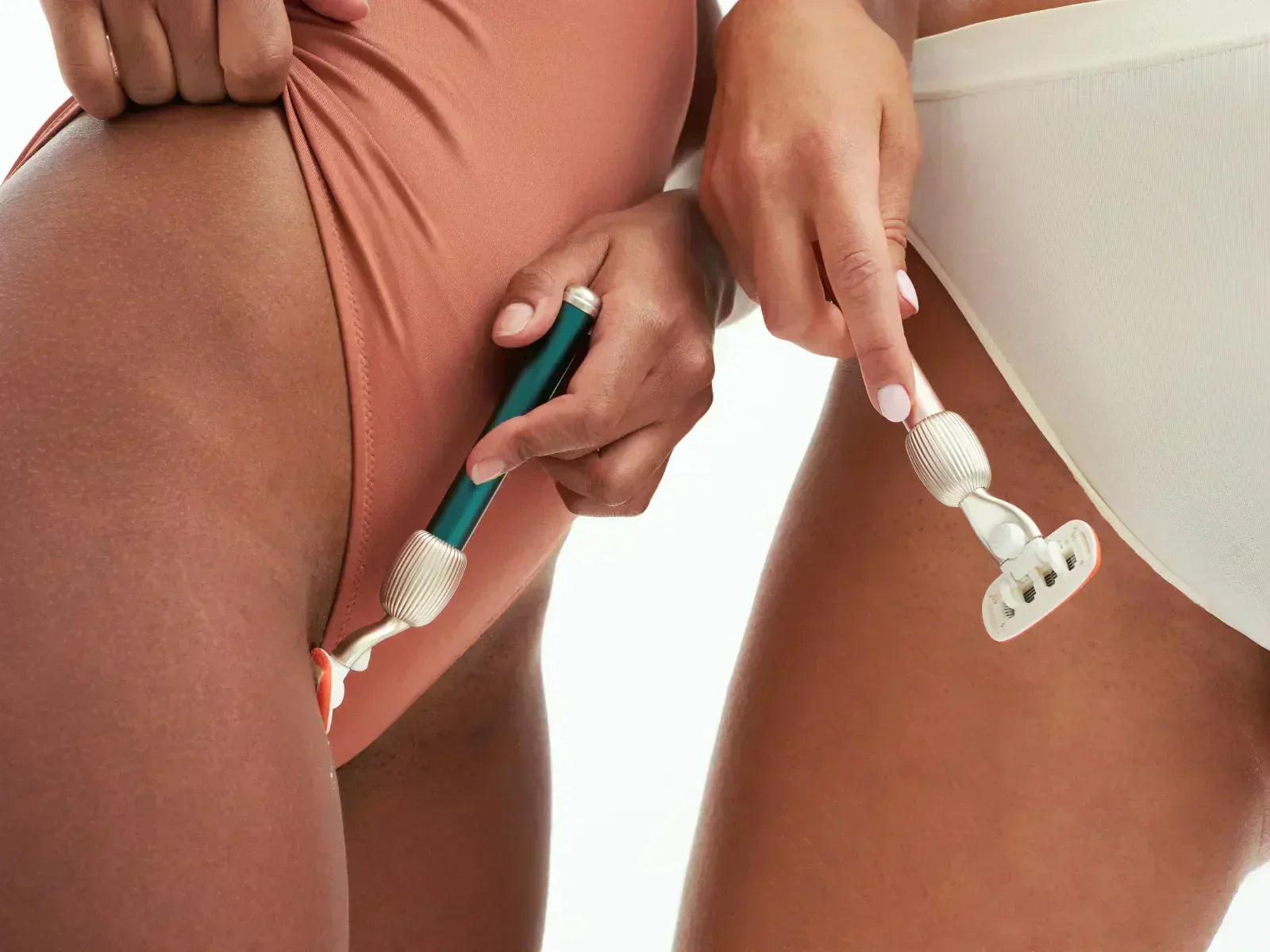
The goal is to reduce friction and stress for the skin and, with Fler, that’s exactly the intention: making shaving as gentle as possible, especially for sensitive skin. Our razor:
- is designed for delicate and sensitive skin, for gentler shaving;
- glides easily on the skin, helping reduce friction and irritation;
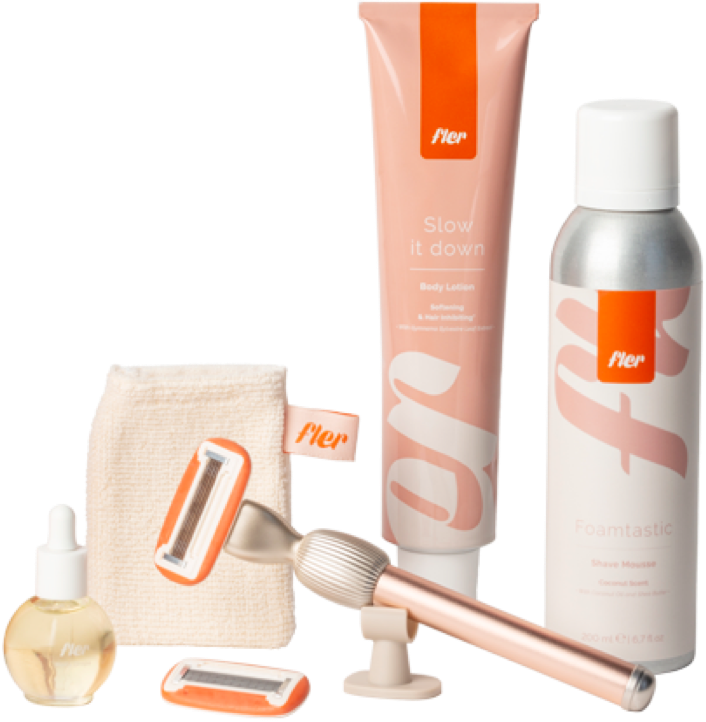
- works even better when paired with a mousse like our Foamtastic, soft as a cloud, which protects your skin and helps the blade glide better.
After shaving you can also apply Slow It Down, our soothing and hydrating cream, to help the skin calm down and regain comfort.
As always, if dermatitis is in a very active phase, it’s best to take a break from shaving.
But when the skin is calmer, using tools designed for sensitive skin can really make a difference.
Dermatitis and Shaving can coexist (with the right care)
The conclusion?
Dermatitis and shaving don’t have to be sworn enemies. Quite the opposite! With a gentler routine, the right tools and a bit of attention, you can reduce post-shave irritation, itching and redness.
Shaving is a choice. Not an obligation!
If you feel like doing it, do it in the gentlest way possible. And if your skin tells you “not today”, that’s okay too, listen to it 🧡
Questions or doubts? Write to us at hello@flerworld.com 💌
If you enjoyed the article, subscribe to our newsletter to stay updated on news and exclusive tips!